
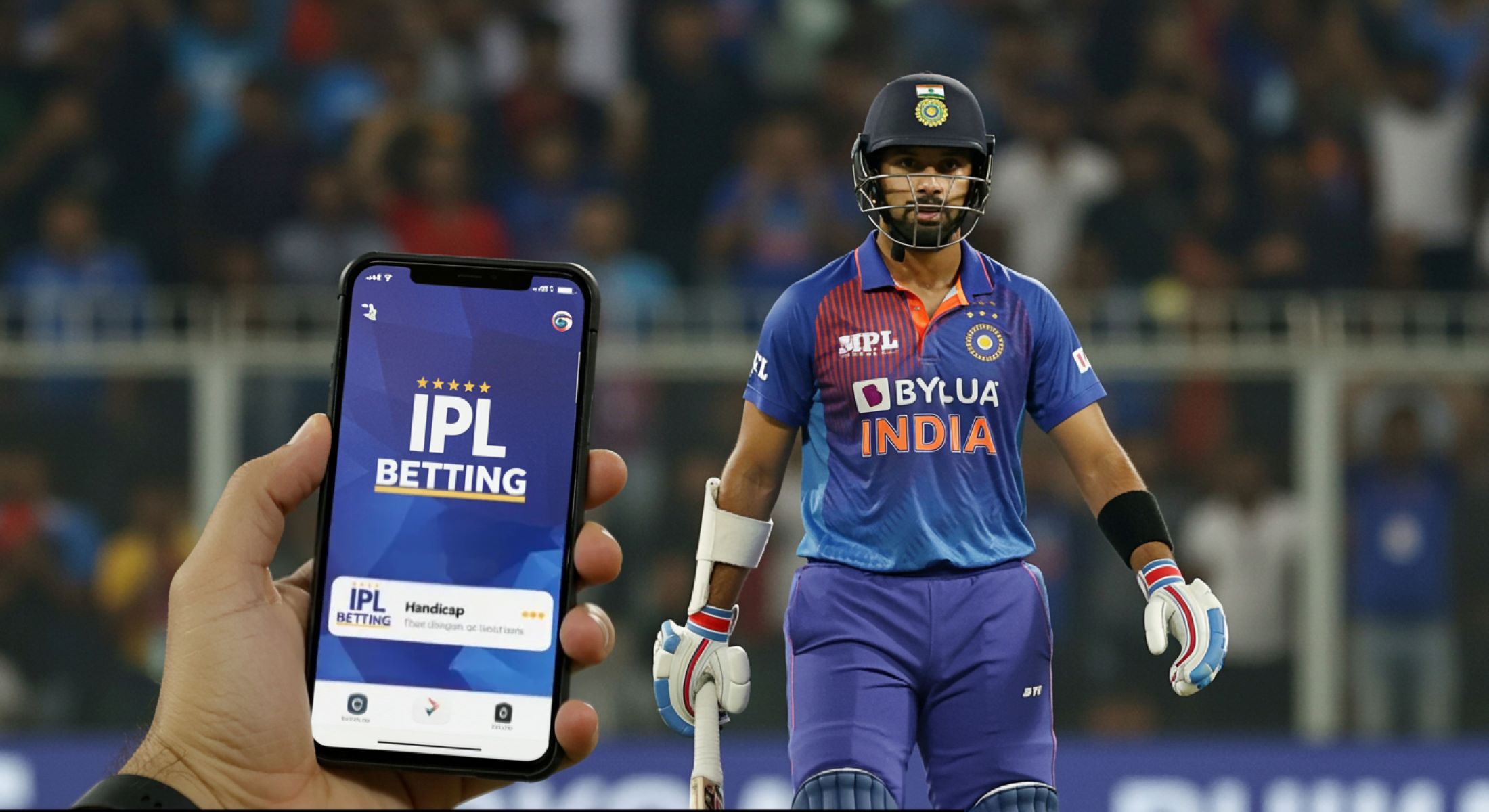
Cricket isn’t just a sport in India; it’s a passion that runs deep in every heart. And if you’re someone who loves combining this passion with a bit of strategic gambling, handicap cricket betting can be your playground. But what exactly is it, and how can you maximize your chances without losing your shirt? Let’s dive in.
What Is Handicap Cricket Betting?
Handicap cricket betting is a fascinating twist on traditional betting that adds an extra layer of strategy and excitement to the game. At its core, it’s designed to level the playing field when two teams of unequal strength face off. Instead of just betting on who will win outright, a bookmaker applies a virtual advantage or disadvantage to one of the teams. This “handicap” is meant to create more balanced odds, making the game more engaging for bettors. It transforms what might be a predictable match into an intriguing contest where even the underdog has a meaningful role.
In practical terms, handicap betting allows bettors to consider not only the outright winner but also the margin by which a team might win or lose. For example, if a strong team like India is playing against a less experienced team, the bookmaker might assign India a negative run handicap, while giving the weaker team a positive handicap. This way, India would need to win by more than the assigned handicap to make bets on them successful, whereas a bet on the underdog could still pay off if the margin stays within the handicap range. Essentially, it’s about factoring in performance gaps and making betting more competitive.
What makes handicap betting particularly appealing is its ability to keep even lopsided matches exciting. Cricket, especially in formats like T20 and ODI, can be very unpredictable, and a single over or a dramatic wicket can shift momentum entirely. Handicap betting captures this unpredictability by ensuring that every run and every wicket can impact the outcome of your bet. For bettors, it’s not just about picking a team to win—it’s about analyzing form, player fitness, pitch conditions, and potential game dynamics to make a calculated decision.
Moreover, handicap betting encourages a more analytical approach, giving seasoned bettors an edge if they understand the nuances of the game. Unlike straightforward win/lose bets, handicaps require careful consideration of multiple factors such as batting depth, bowling attack, pitch behavior, and even weather conditions. It’s like a chess match layered on top of cricket, where strategic thinking can turn an informed wager into a profitable one. By accounting for the strengths and weaknesses of both teams, handicap betting creates a richer, more engaging experience that appeals to both casual and serious cricket fans alike.
Why Is Handicap Betting Popular in India?
| Reason | Explanation | Impact on Betting | Example Scenario | Why It Appeals to Indian Bettors |
| High Entertainment Value | Even matches with a clear favorite become suspenseful | Every run or wicket counts toward the bet outcome | India vs Afghanistan, with a -10 run handicap for India, creates tension as India must win by more than 10 runs | Makes every over exciting, keeping bettors engaged throughout the match |
| Better Odds | Handicap betting often offers higher payouts compared to traditional win/lose bets | More potential profit for calculated bets | Betting on the underdog with a +10 run handicap can yield attractive returns | Appeals to bettors looking for higher risk-reward opportunities |
| Strategic Play | Bettors must analyze team strengths, weaknesses, and predicted performance margins | Encourages research, statistical analysis, and careful decision-making | Considering a bowler’s economy rate or a batsman’s strike rate can influence your handicap bet | Satisfies strategic-minded bettors who enjoy applying knowledge, not just luck |
| Balanced Competition | Handicap levels the playing field between strong and weaker teams | Prevents one-sided matches from being too predictable | Even if India is heavily favored, a +10 run handicap for Afghanistan creates a competitive betting scenario | Keeps matches interesting, even when outcomes seem obvious |
| Engages Casual and Experienced Bettors | Both new and seasoned bettors can enjoy handicap markets | Casual bettors can follow trends; experts can use statistics to gain an edge | Beginners might bet on the adjusted underdog, while experts calculate margins for stronger teams | Expands the appeal of cricket betting to a broader audience |
Types of Handicap Betting in Cricket
Handicap betting in cricket isn’t just a single type of wager—it comes in several forms, each offering its own unique twist and strategy. Understanding these types is crucial for anyone looking to dive deeper into cricket betting in India. Here’s a detailed look at the main types of handicap betting:
- Run Handicap Betting – This is the most common type of handicap betting in cricket. Here, the bookmaker assigns a virtual advantage or disadvantage in terms of runs to one of the teams to level the playing field. For example, if India is playing Afghanistan, India might be given a -10 run handicap, while Afghanistan gets +10. If India scores 250 runs, their adjusted score for betting purposes becomes 240. If Afghanistan scores 240, their adjusted score becomes 250, meaning Afghanistan “wins” the bet despite losing the match in reality. Run handicaps force bettors to consider not just who will win, but by how much, adding a layer of strategy and excitement.
- Wicket Handicap Betting – Wicket handicaps focus on the number of wickets a team is expected to lose in a match. Although less common than run handicaps, this type is especially relevant in T20 and ODI formats where the number of wickets lost can drastically affect match dynamics. For instance, a stronger team may be given a -2 wicket handicap, meaning they would need to lose fewer wickets than the handicap allows for a bet to succeed. Conversely, the weaker team might have a +2 wicket advantage. Bettors who follow bowling attacks, player form, and batting order can gain an edge with wicket handicap betting.
- Over Handicap Betting – Over handicaps adjust the predicted total number of overs a team will take to reach a target or score a certain number of runs. This type is particularly popular in limited-overs formats where overs are a crucial factor. For example, if a team is expected to reach 200 runs in 45 overs but has a +3 over handicap, the bet may consider them achieving that score in 48 overs. Over handicaps allow bettors to analyze match pace, scoring rate, and bowling strategies, making it more than just a simple bet on the winner.
- Live Handicap Betting – This type occurs during a match, often called “in-play” betting. The handicap dynamically changes based on live performance, such as current score, wickets lost, and overs remaining. Bettors can adjust their wagers as the game progresses, taking advantage of momentum shifts and unexpected events. Live handicaps require quick thinking and awareness of real-time match developments, offering a thrilling experience for those who love fast-paced decisions.
- Combination Handicap Betting – Some advanced betting platforms allow combining multiple handicaps in a single bet, such as run + wicket or run + over. This creates complex betting scenarios that reward careful analysis and in-depth knowledge of the teams. Combination handicaps are ideal for experienced bettors who enjoy strategy and want to maximize their potential returns while engaging with multiple facets of the match.
How Handicap Betting Works: Step by Step
Handicap betting works by taking a deeper dive into the dynamics of a cricket match, transforming a simple wager on who will win into a more strategic and calculated decision. The first step in the process is to thoroughly analyze the teams involved. This isn’t just about looking at who is historically stronger; it requires assessing current form, batting and bowling strengths, player fitness, and even how the teams perform under specific conditions. Home advantage, recent head-to-head results, and the lineup for the match can all dramatically influence how a team is expected to perform. Experienced bettors often spend hours reviewing statistics and trends to identify which team has the real edge, even when the matchup seems predictable.
Once the team analysis is complete, the next step is to understand the handicap assigned by the bookmaker. This handicap could be in runs, wickets, or overs, depending on the type of bet and the match format. The purpose of the handicap is to balance the contest, giving the weaker team a virtual advantage or imposing a challenge on the stronger team. Bettors must carefully consider how this adjustment affects the likely outcome of the game. For instance, a favorite team might be given a negative run handicap, meaning it must not only win but also do so by a certain margin to make bets on it successful. Understanding how the handicap changes the betting landscape is crucial for making informed choices.
After analyzing teams and understanding the handicap, the next step is to decide on your bet. This is where strategy meets intuition. Bettors have to predict whether the stronger team can overcome the handicap or if the underdog will capitalize on the advantage. This decision often relies on detailed knowledge of player performance, match conditions, and even subtle game dynamics like the toss result or pitch behavior. Making the right call involves weighing risks and potential rewards, as a wrong judgment could mean losing a bet even if your chosen team wins the actual match. Handicap betting is less about luck and more about calculated predictions based on comprehensive research.
Finally, once a decision is made, it’s time to place the bet. Online betting platforms in India offer a range of handicap markets, allowing bettors to select their preferred type of wager and stake amount. It’s important to monitor odds closely, especially in live or in-play betting, as they can fluctuate rapidly with match progress. Real-time developments, such as a key wicket falling or a sudden acceleration in scoring, can dramatically shift the effective handicap, affecting your bet’s likelihood of success. By combining careful analysis, a clear understanding of the handicap, and strategic decision-making, bettors can maximize their chances of success and enjoy a more engaging cricket betting experience.
Advantages of Handicap Cricket Betting
| Advantage | Explanation | Impact on Betting | Example Scenario | Why It Appeals to Bettors in India |
| Balanced Odds | Handicap betting adjusts for differences in team strength, leveling the playing field | Creates a more competitive betting environment, even when one team is heavily favored | India -15 runs vs. Afghanistan +15 runs; the match becomes more challenging to predict | Makes even one-sided matches engaging, keeping bettors interested throughout the game |
| Higher Returns | Betting on an underdog with a positive handicap often yields better payouts than standard win bets | Offers the potential for significant profits for informed bettors | Betting on Afghanistan +15 runs might offer 2.2x returns if the match stays close | Appeals to risk-takers looking for more rewarding bets beyond the usual favorites |
| Strategy-Driven | Requires analysis of team form, player performance, pitch conditions, and match dynamics | Encourages research and strategic thinking rather than relying on luck | Considering a star bowler’s recent performance can influence whether you back India to cover the handicap | Attracts analytical bettors who enjoy combining cricket knowledge with betting strategy |
| Keeps Games Interesting | Every run, wicket, and over impacts the outcome of the bet | Maintains suspense throughout the match, even if the final winner seems obvious | A last-over six could swing the handicap result, making the match thrilling for bettors | Enhances the entertainment value of cricket betting, making every moment important |
| Reduces Predictability | Prevents matches from being too straightforward to bet on | Encourages bettors to consider performance margins and not just winners | Even if India dominates, the handicap could make the bet unpredictable | Keeps bettors engaged by adding depth to the betting experience |
Disadvantages of Handicap Betting
While handicap betting offers excitement and strategic depth, it’s not without its drawbacks. Bettors should be aware of the potential pitfalls before diving in, especially in a competitive cricket market like India. Understanding these disadvantages can help you manage risk and make smarter decisions.
- Complexity and Learning Curve – Handicap betting can be confusing for beginners. Unlike traditional win/lose bets, it requires understanding virtual advantages or disadvantages applied to teams, whether in runs, wickets, or overs. New bettors often struggle with calculating adjusted scores and determining how the handicap affects potential outcomes. Without proper knowledge, it’s easy to misinterpret results and lose bets even when your chosen team performs well in reality.
- Higher Risk – Because handicap betting involves performance margins rather than just winners, the stakes are inherently higher. Misreading statistics, ignoring team form, or underestimating pitch and weather conditions can result in unexpected losses. Even experienced bettors can get caught off guard by sudden match events, such as a key player injury or a dramatic over, which can instantly shift the handicap result. This risk factor makes careful research and planning essential for success.
- Dependence on Bookmakers – Handicap values and odds are determined by bookmakers and can fluctuate frequently. Different platforms may assign different handicaps for the same match, and live in-play betting can see rapid adjustments as the game progresses. Bettors who don’t monitor these changes closely might place wagers based on outdated odds, leading to less favorable returns or unexpected losses. Trusting the bookmaker’s judgment is a necessary but sometimes frustrating part of handicap betting.
- Potential for Misjudgment – Even small mistakes in interpreting handicaps or match dynamics can have significant consequences. For example, betting that a favored team will cover a -20 run handicap might seem logical based on past form, but sudden momentum shifts during the game can overturn predictions. Misjudgments are more likely when matches involve inexperienced teams or unusual conditions, making handicap betting less forgiving than standard bets.
- Requires Extensive Analysis – To succeed consistently, bettors must consider multiple factors, including player statistics, team composition, match format, venue conditions, and even toss outcomes. This level of analysis can be time-consuming and intimidating, especially for casual bettors. Without investing sufficient effort, it’s easy to make decisions based on assumptions rather than accurate data, increasing the likelihood of losses.
- Emotional Pressure – Because every run and wicket can affect the outcome of a handicap bet, it can create added stress for bettors. Watching a match unfold with a handicap in play can be intense, especially when large sums are at stake. Emotional decisions in response to in-game events can lead to impulsive bets that ignore prior research, compounding risk.